Strategy
What Is SEO and Does It Still Work in 2026?
SEO is not dead. But the SEO that works in 2026 includes AI answer optimization alongside traditional ranking. Here is what beginners and practitioners need to know.


If you have searched “does SEO still work?” you are not alone. The question has spiked in search volume every time a new AI search product launches. ChatGPT, Perplexity, Google AI Overviews, each one triggers a new wave of “SEO is dead” predictions.
The predictions are wrong. SEO is not dead. But it has evolved, and understanding what has changed versus what has stayed the same is essential whether you are a beginner starting your first website or a practitioner managing an established content operation.
What is SEO?
SEO stands for Search Engine Optimization. It is the practice of improving your website and content so that search systems can find it, understand it, and present it to people who are looking for what you offer.
The definition has always been broad enough to accommodate change. When Google introduced featured snippets, SEO adapted. When mobile became dominant, SEO adapted. Now that AI-generated answers are becoming a primary discovery surface, SEO is adapting again.
The core job remains the same: help the right people find the right information at the right time.
Does SEO still work in 2026?
Yes. Here is the evidence:
Google still dominates search
Google maintains approximately 90% of global search market share and processes billions of queries daily. Organic search remains the single largest source of website traffic for most businesses.
Organic traffic drives real business results
Companies that invest in SEO consistently report that organic search is their most cost-effective customer acquisition channel. Unlike paid advertising, organic traffic does not stop when you stop spending.
AI has expanded the opportunity, not eliminated it
AI search surfaces, Google AI Overviews, ChatGPT, Perplexity, represent new places where content can be discovered. The brands that optimize for these surfaces alongside traditional search have more discovery opportunities, not fewer.
The fundamentals still reward quality
Every search system, traditional and AI, prefers content that is accurate, well-structured, genuinely useful, and trustworthy. The teams that create this type of content consistently earn visibility across all surfaces.
What has stayed the same
Quality content wins
This has been true for twenty years and remains true in 2026. Content that is clear, accurate, original, and useful performs well across every search surface. AI systems are not some new species with alien preferences, they evaluate the same quality signals that search engines have always rewarded.
User intent drives everything
Every search query has an intent behind it. Matching that intent, informational, commercial, navigational, or transactional, is the single most important factor in whether a page performs well. This is true for Google, ChatGPT, and every other search surface.
Technical health matters
Search systems cannot evaluate content they cannot access. A website needs to be:
- Crawlable: search engines and AI systems can find your pages
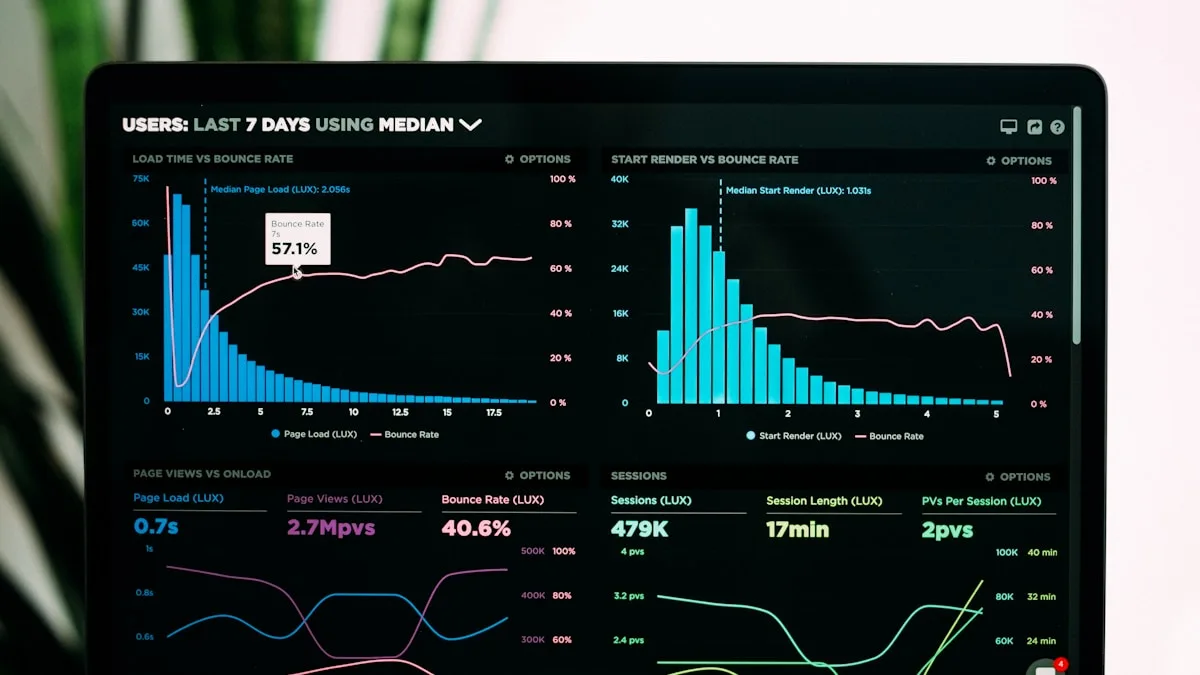
- Fast: page speed affects both rankings and user experience
- Mobile-friendly: most search happens on phones
- Secure: HTTPS is a baseline requirement
- Structured: clean HTML and proper headings help systems understand your content
Internal linking builds authority
How your pages connect to each other signals topical depth and expertise. Strong internal linking through topic clusters remains one of the most effective SEO strategies at every level.
What has changed
AI Overviews appear for nearly half of all searches
Google now generates AI-powered summaries at the top of search results for approximately 48% of queries. These summaries answer the user’s question before they scroll to the organic links, reducing click-through rates by 34-61% for affected queries.
But here is the nuance: brands that get cited inside AI Overviews earn 35% more clicks than non-cited pages. So AI Overviews strategy is now part of SEO.
Search has fragmented across platforms
Users no longer search only on Google. ChatGPT handles roughly 12% of Google’s search volume. Perplexity is growing as a research tool. Voice assistants handle billions of queries. SEO in 2026 means being visible across all of these surfaces, not just Google.
Citation has become a new metric
When an AI system uses your content as a source for its answer, that citation is a new form of visibility. It builds brand trust, drives high-quality traffic, and compounds over time. Tracking citations is now as important as tracking rankings.
Brand mentions matter more than before
Branded web mentions, appearances of your brand name across the web, now correlate more strongly with AI visibility than backlinks alone. This means brand building is an SEO strategy, not a separate activity.
Content freshness affects AI citation
AI systems, particularly Perplexity and Google AI Overviews, favor recent content over outdated content. Regular content refreshes are now a visibility maintenance practice, not an optional improvement.
SEO for beginners: where to start
If you are new to SEO, here is a practical starting framework:
Step 1: Understand your audience
Before optimizing anything, know who you are trying to reach and what questions they have. List the topics your audience cares about and the questions they ask.
Step 2: Create quality content
Write pages that genuinely help your audience. Lead with clear answers, provide evidence and examples, and organize information with descriptive headings.
Step 3: Get the technical basics right
Ensure your site loads quickly, works on mobile, uses HTTPS, and has a clean structure with proper headings and meta descriptions.
Step 4: Build topic clusters
Do not publish random isolated articles. Organize your content into clusters where related pages link to each other and to a central hub page. This signals expertise to search systems.
Step 5: Match user intent
For every page, identify the user intent behind the target query and design the page structure to match it. An informational query needs a different page format than a comparison query.
Step 6: Start measuring
Set up Google Search Console (free) to track your search performance. As you grow, add AI visibility tools to understand how you appear in AI-generated answers.
SEO for practitioners: what to add in 2026
If you already have an SEO practice, here is what to layer on:
Add AI visibility measurement
Track your brand’s appearance in ChatGPT, Perplexity, and Google AI Overviews alongside traditional rankings. Use AI visibility tools to automate this monitoring.
Optimize for answer extraction
Structure your pages so AI systems can easily extract clear answers. Lead with the answer in the first 200 words, use question-based headings, and format information in extractable blocks.
Invest in GEO and AEO
These disciplines focus specifically on appearing in AI-generated responses. They build on SEO fundamentals but add focus on source selection, citation, and brand recall.
Build brand presence
Invest in activities that generate branded mentions: industry publications, podcasts, conferences, expert roundups. These signals now directly influence AI visibility.
Refresh content systematically
Build content refreshes into your editorial calendar. Update key pages every 90-180 days to maintain freshness signals.
Common misconceptions
”SEO is dead because of AI”
SEO is evolving, not dying. The fundamentals are unchanged. The surfaces have expanded. The teams that adapt will have more opportunities, not fewer.
”You need to choose between SEO and AI optimization”
You do not need to choose. The same quality signals that drive traditional rankings also drive AI visibility. Investing in great content serves both.
”Only big brands can succeed in SEO”
Small brands with focused expertise often outperform large brands in specific niches. Topic clusters let small sites build authority in defined territories without competing head-to-head with enterprise sites on broad terms.
”SEO is just about keywords”
Keywords matter, but the center of gravity has shifted toward topics, intent, and topical authority. AI systems evaluate comprehensive coverage, not keyword frequency.
”AI-generated content is the answer to scaling SEO”
AI can help draft content, but content that earns citations requires original analysis, real expertise, and editorial distinctiveness, things AI cannot produce independently.
The bottom line
SEO works in 2026. It works differently than it did in 2020, but the core principle is the same: create genuinely useful content, make it easy for search systems to find and understand, and build authority in your area of expertise.
The complete SEO guide for 2026 covers the full framework in detail. But if you take away one idea from this page, let it be this: the best SEO strategy has always been to create content worth finding. AI has not changed that. It has raised the bar.
Related reading
References
- SEO Trends 2026: Developing Strategies for the AI Era, Evergreen Media
- SEO FAQ: 25 Questions and Answers, Semrush
- How to apply ‘They Ask, You Answer’ to SEO and AI visibility, Search Engine Land
- Google Search Central: SEO starter guide
- Google Search Central: Creating helpful, reliable, people-first content